
Why Do Hearing Aids Get Blocked with Earwax? (And How to Prevent It)
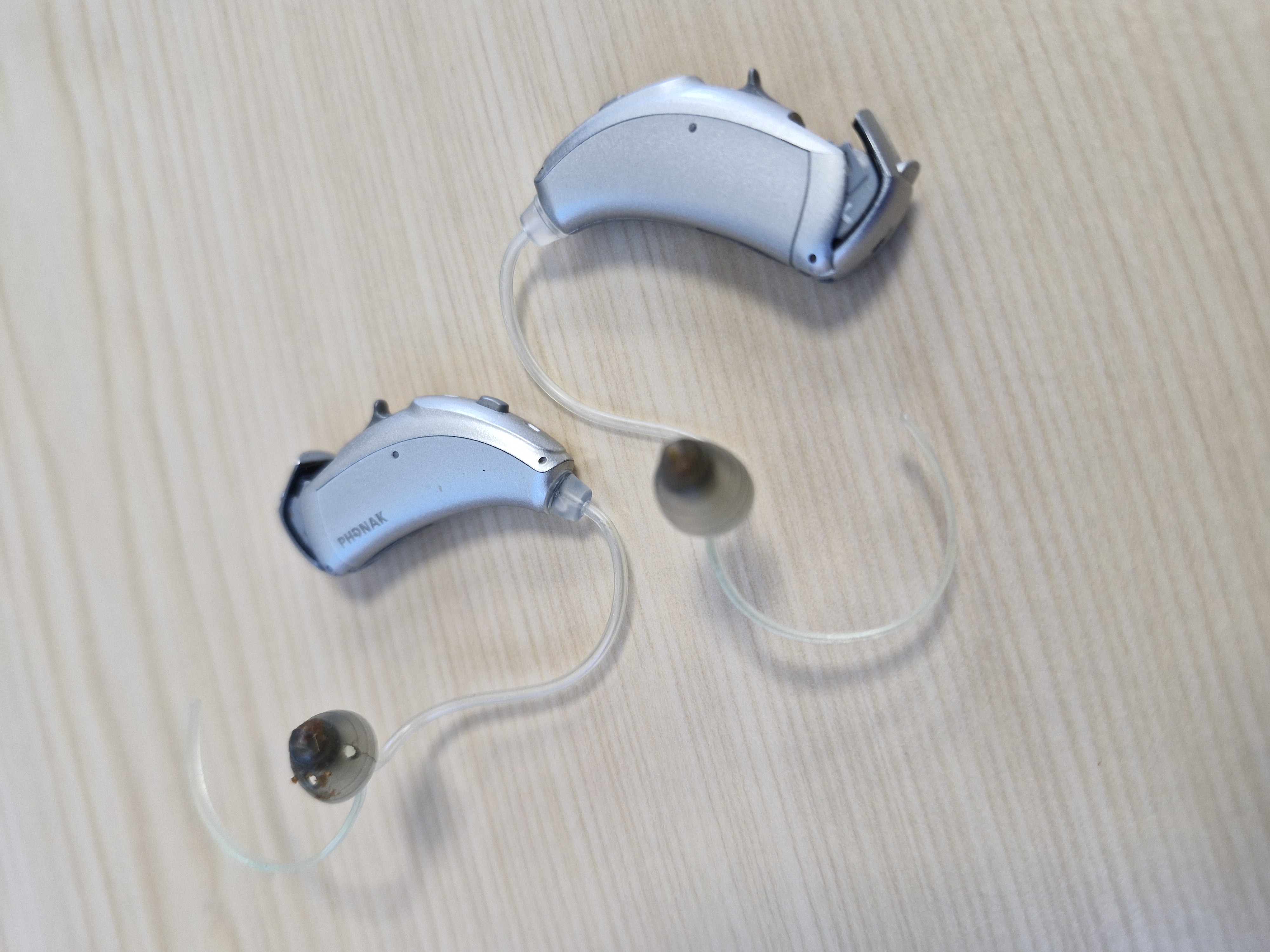
Hearing aids and earwax (cerumen) are an inevitable combination. While modern hearing technology has advanced by leaps and bounds, the biological reality of how your ears function remains exactly the same. If you wear hearing devices, you will likely discover that they frequently become blocked, whistle unexpectedly, or suddenly lose sound quality.
This is rarely a mechanical fault with your device. Instead, it is a direct consequence of how an ear insert interacts with the natural environment of your ear canal. Understanding why this happens - and how to safely manage the build-up - is the absolute best way to protect your technology and keep your hearing crystal clear.
Key Takeaways
- Hearing aids physically block the outward movement of earwax, trapping it inside the canal and causing it to compress over time.
- Clogged openings lead directly to acoustic feedback (whistling), muffled sound quality, or an apparent loss of amplification.
- Daily external cleaning shields your devices from damage, but recurring blockages require professional clinical micro-suction to avoid pushing wax deeper.
Why It Happens: The Relationship Between Ears and Devices
Your ear canals are naturally self-cleaning. Skin cells and earwax migrate slowly outward like a tiny conveyor belt, trapping dust and debris and carrying it out of the ear. However, when you introduce a hearing aid into this delicate system, the process is completely disrupted.
Here is exactly why the issue occurs:
- Your Ears Naturally Produce Wax
- Earwax is completely normal, healthy, and necessary. It coats, lubricates, and protects the ear canal from dust and infection. However, some individuals naturally produce a higher volume of wax than others.
- Hearing Aids Sit in the Ear Canal
- o Because the devices rest directly inside the canal, they act like a physical dam. They partially block the natural outward movement of the wax, meaning it accumulates and compresses instead of clearing itself naturally.
- They Act Like a Barrier
- Every time you push your hearing aid or ear mould into place, wax can get pressed against the device's tiny openings. Over time, this wax is forced into the delicate receiver or microphone ports, eventually clogging them entirely.
- Warmth and Moisture
- Wearing an ear insert creates a slightly sealed, warm environment inside your ear canal. This natural body heat softens the earwax, making it far more likely to stick to the components and seep into the internal filters of your hearing aid.
How Can You Tell If Your Hearing Aids Are Blocked with Wax?
It isn’t always obvious that earwax is the culprit behind a malfunctioning device. If your ears or your filters are becoming overloaded, you will usually notice two primary warning signs:
1. The Hearing Aids Are Whistling
This high-pitched sound means you are experiencing acoustic feedback. When sound cannot travel cleanly through a blocked ear canal or receiver, it bounces off the wall of wax and escapes back out around the edges of the device.
2. A Drop in Sound Quality
You may find that volume levels drop significantly or there is no amplification at all. It often feels as though the battery has died, when in reality, sound is simply blocked by a physical wall of cerumen.
How to Prevent Blockages and Protect Your Hearing Aids
Safeguarding your hearing requires a balanced routine: maintaining your technology daily while respecting your physical ear health.
1. Clean Your Hearing Aids Regularly
- Wipe Daily - Get into the habit of wiping your devices down every single day with a clean, dry cloth or tissue.
- Brush Daily - Use the small brush or tool provided by your audiologist in the morning rather than at night. Leaving the devices overnight gives the trapped earwax time to dry and harden, making it significantly easier to brush away safely from the openings.
- Replace Wax Guards and Filters every few weeks. Most modern devices have replaceable wax guards to stop debris from entering the internal hardware. Check them frequently and change them every few weeks as recommended.
2. Keep Your Ears Healthy (But Don’t Overdo It)
- Avoid Cotton Buds - Never use cotton buds, keys, or hairpins to clear your ears! They act like a plunger, packing the earwax tightly against your eardrum and making it significantly harder and more uncomfortable to remove professionally.
- Use Safe Ear Drops - If you notice a minor build- up starting to form, using high-quality olive oil drops can help lubricate the canal. Note: Avoid harsh chemical or sodium bicarbonate drops, as these can irritate your skin and turn the wax into a messy paste that easily floods hearing aid components.
- Take Them Out at Night. Always remove your hearing aids before going to sleep. This simple step allows your ear canal to breathe, reduces moisture accumulation, and gives your body’s natural self-cleaning movement a chance to take over.
Knowing When to See an Ear Care Specialist
If earwax remains a recurring problem that routinely interrupts your hearing, scheduling preventative check-ups is the best path forward. Trying to clean deep inside your own ears can easily cause damage to your eardrum or knock your hearing aid settings out of alignment.
If blockages persist, a hearing specialist can evaluate your ears using digital video otoscopy to check the health of the canal. In some cases, adjusting the physical fit of your device or recommending a alternative style of ear insert can dramatically reduce how quickly wax accumulates.
At WaxAxe, we specialise in gentle, clinical micro-suction ear wax removal to keep your ears clear and your hearing aids performing at their absolute best.
Ear Wax Removal in Havant, Petersfield and Wickham
If your devices are whistling or your hearing feels muffled, book a convenient appointment at one of our local Hampshire surgeries today:
HAVANT: Davies Pharmacy (Tuesday, Wednesday, Friday)
WICKHAM: The Wickham Surgery (Monday)
PETERSFIELD: The Grange Surgery (Thursday)
Book Your Appointment online or call: 07598 303 877