
Things an Ear Wax Removal Specialist Wishes You Knew About Earwax
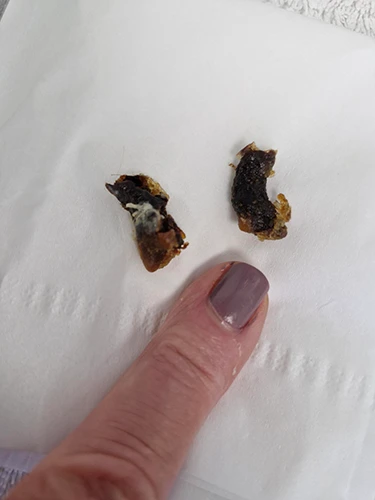
As a professional ear wax removal specialist, I often find myself reassuring patients about earwax (also called cerumen). Despite how common it is, there are still many misunderstandings about what earwax actually does and when it needs to be removed.
At Waxaxe, we regularly see patients seeking professional ear wax removal after trying home remedies that have unfortunately made things worse.
Common Symptoms of Ear Wax Build-Up
Earwax doesn’t always cause symptoms, but when it builds up it may lead to:
- Muffled or reduced hearing
- A feeling of fullness in the ear
- Ringing in the ear (tinnitus)
- Mild discomfort or irritation
- Occasional dizziness
These symptoms can have several causes, but impacted earwax is one of the most common and easily treatable.
A professional examination using video otoscopy can quickly confirm whether wax is the cause.
7 Educational Points about Ear Wax
Here are a few things I wish more people knew about earwax and ear care.
1. Earwax Is Not “Dirt”
Earwax is not a sign of poor hygiene. In fact, it plays an important role in keeping your ears healthy.
Cerumen has natural antimicrobial properties which help protect the ear canal from bacteria and fungi. It also traps dust, debris and small particles before they reach the delicate structures deeper inside the ear.
In other words, earwax is part of your body’s natural defence system.
2. Follow the “Elbow Rule”
Ear, Nose and Throat specialists often share a simple rule:
Never put anything smaller than your elbow inside your ear canal.
Cotton buds, hairpins, keys, and even home “ear cameras” can easily push wax further into the ear canal. This can lead to painful impaction, irritation, or in some cases damage to the eardrum.
If your ear feels blocked, it’s much safer to have it assessed professionally.
3. Your Ears Are Designed to Clean Themselves
Most people don’t actually need to remove earwax at all.
Your ears have a clever natural cleaning process called epithelial migration. This gradually moves earwax and dead skin cells from the eardrum outward towards the ear opening.
Everyday movements such as talking and chewing help this process along. For many people, the wax simply works its way out on its own.
4. Earbuds and Hearing Aids Can Affect Wax Build-Up
Regular use of in-ear headphones, earbuds, or hearing aids can block the ear canal’s natural cleaning pathway.
When this happens, earwax can become trapped and build up over time. This may cause symptoms such as:
- Muffled hearing
- A feeling of fullness in the ear
- Ringing (tinnitus)
- Discomfort or irritation
If you regularly wear devices in your ears, it’s worth having them checked periodically.
5. Stress May Increase Earwax Production
Many people are surprised to learn that earwax production can sometimes increase during periods of stress.
The glands that produce cerumen are related to the same glands that produce sweat. When the body is under stress, these glands may become more active, which can lead to increased wax production in some individuals.
6. Your Earwax Type Is Genetic
Not everyone’s earwax looks the same.
You may naturally produce:
- Wet or honey-coloured wax, which is softer and more common in many populations
- Dry, flaky wax, which is more common in certain genetic backgrounds
Both are completely normal and determined by your DNA.
7. Professional Ear Wax Removal Is the Safest Option
If your ear feels blocked or uncomfortable, professional removal is the safest approach.
A trained clinician can assess the ear canal using video otoscopy, which allows us to clearly see whether wax is present and how best to remove it.
Modern methods such as microsuction and specialist instruments allow wax to be removed safely and precisely.
Home remedies such as ear candling are strongly discouraged as they can cause burns, blockages, and injury to the ear.
Ear Wax Removal in Havant, Petersfield and Wickham
If you are experiencing symptoms such as muffled hearing, a feeling of fullness in the ear, or ringing, it may be caused by a build-up of earwax. You can learn more about microsuction ear wax removal and our treatment process here
At Waxaxe, we provide gentle ear wax removal in Hampshire, with clinics conveniently located in Havant, Petersfield and Wickham.
We use modern medical equipment and video otoscopy so you can clearly see what is happening inside your ear.
Frequently Asked Questions About Earwax
Should I remove earwax myself?
It’s generally best to avoid putting anything inside the ear canal. Cotton buds and other tools can push wax deeper and cause impaction. If your ear feels blocked, a professional examination is the safest option.
How do I know if my ear is blocked with wax?
Common signs include muffled hearing, a sensation of fullness, ringing in the ear, or discomfort. A simple examination using video otoscopy can confirm whether wax is present.
Is microsuction ear wax removal safe?
Yes. When performed by a trained professional, microsuction is considered one of the safest and most precise methods of removing earwax.
If you’re unsure whether earwax is the cause of your symptoms, we’re always happy to take a gentle, careful look and advise you on the best next step.
Give us a call on 07598 303 877 to book an appointment or book online here